
Crystal: Event Management Platform
A purpose-built SaaS platform for large-scale event operations. Crystal handles attendee registration, badge design and printing, onsite check-in, and real-time reporting - across events that have collectively processed more than 900,000 attendees.
The Challenge
Event organisers running large conferences and trade shows face a specific operational challenge: registration data is collected weeks in advance, but the real pressure arrives on day one of the event when thousands of attendees walk through the door expecting to be checked in within seconds.
Existing solutions in the market were either too rigid to customise for each event's specific workflow, or too complex to operate for the onsite staff who often had minimal technical training. The client needed a platform they could configure themselves and hand off to temporary staff on the day.
What We Built
Crystal is a multi-tenant SaaS platform built for event management companies who run multiple events per year with varying configurations, branding, and attendee types.
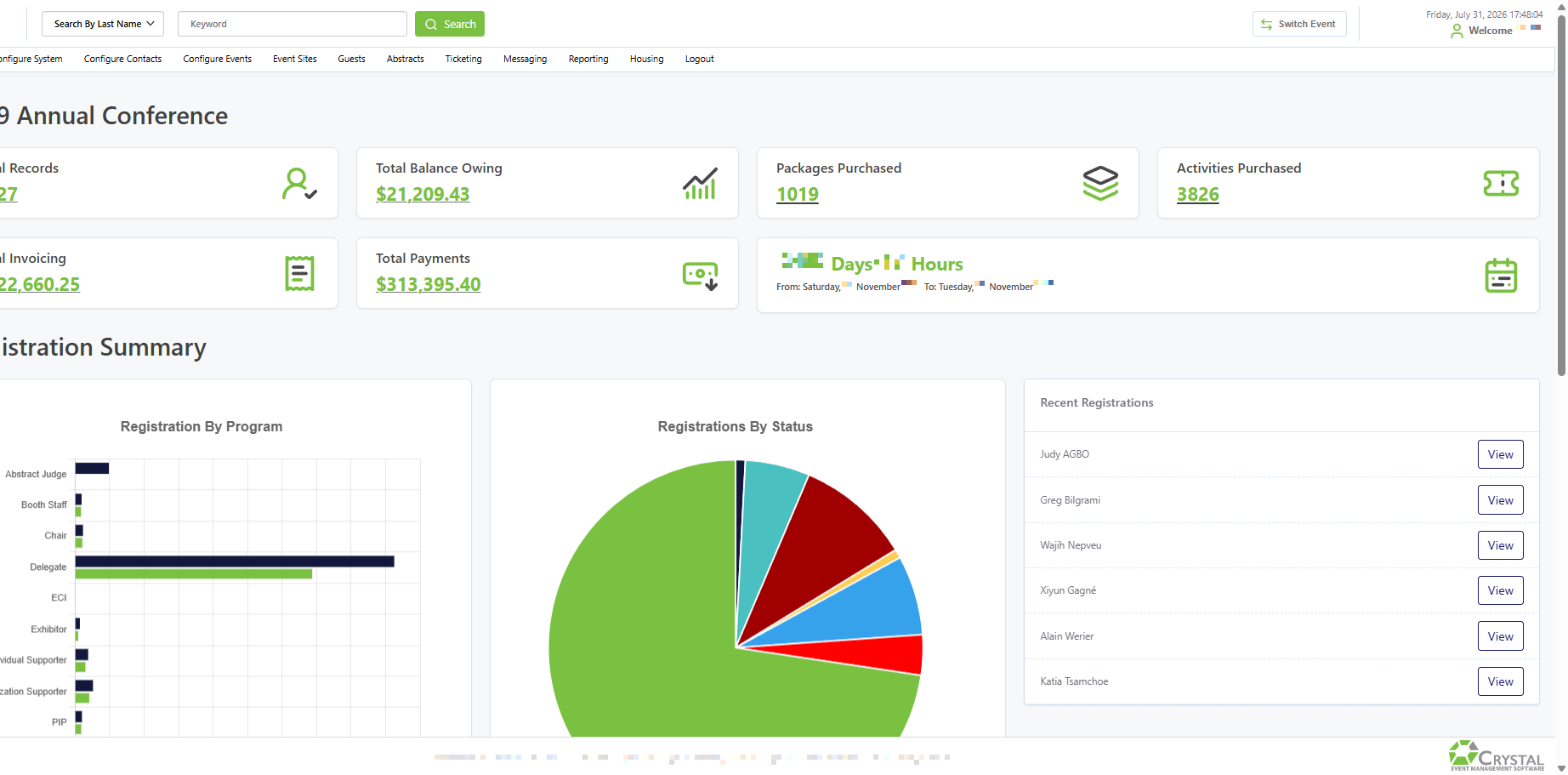
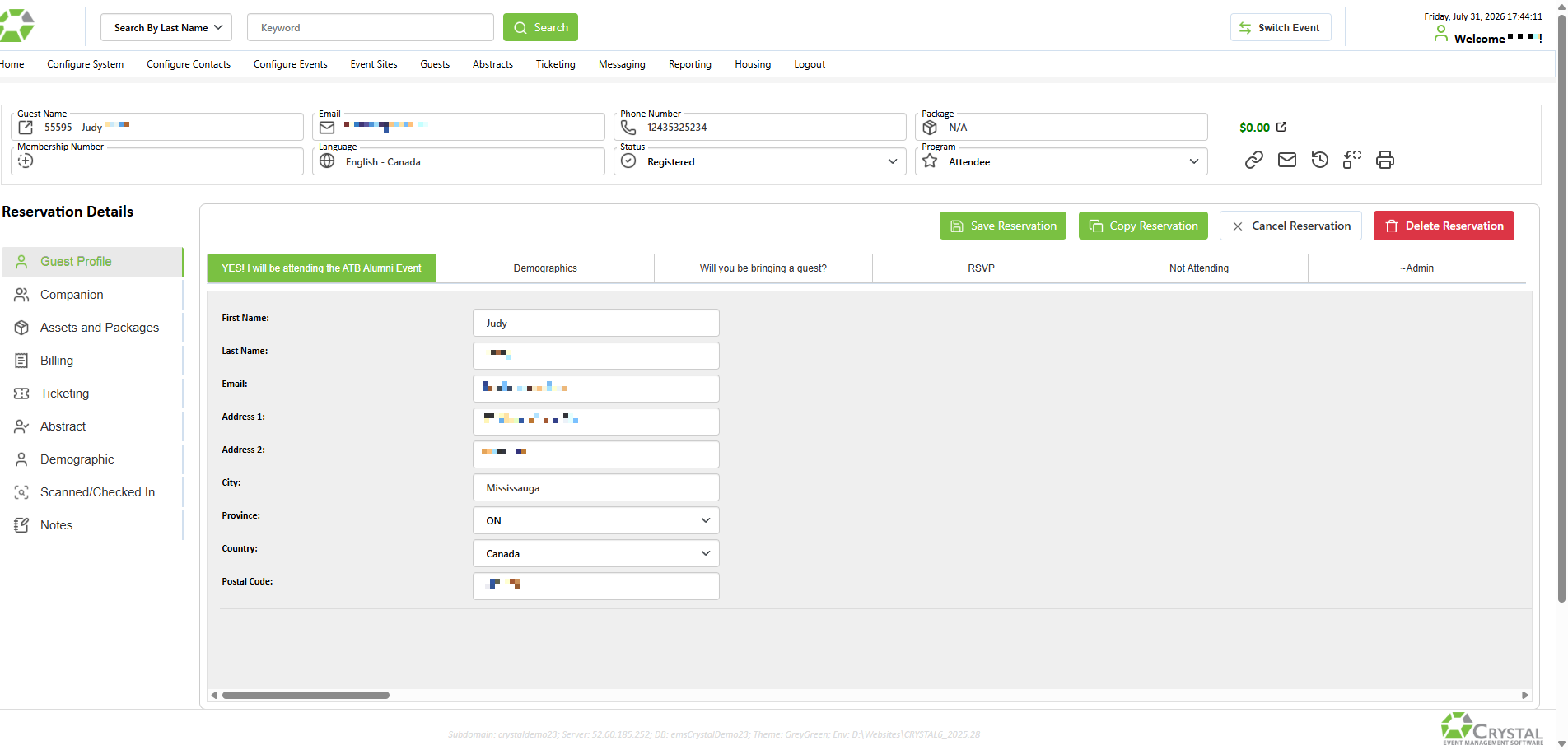
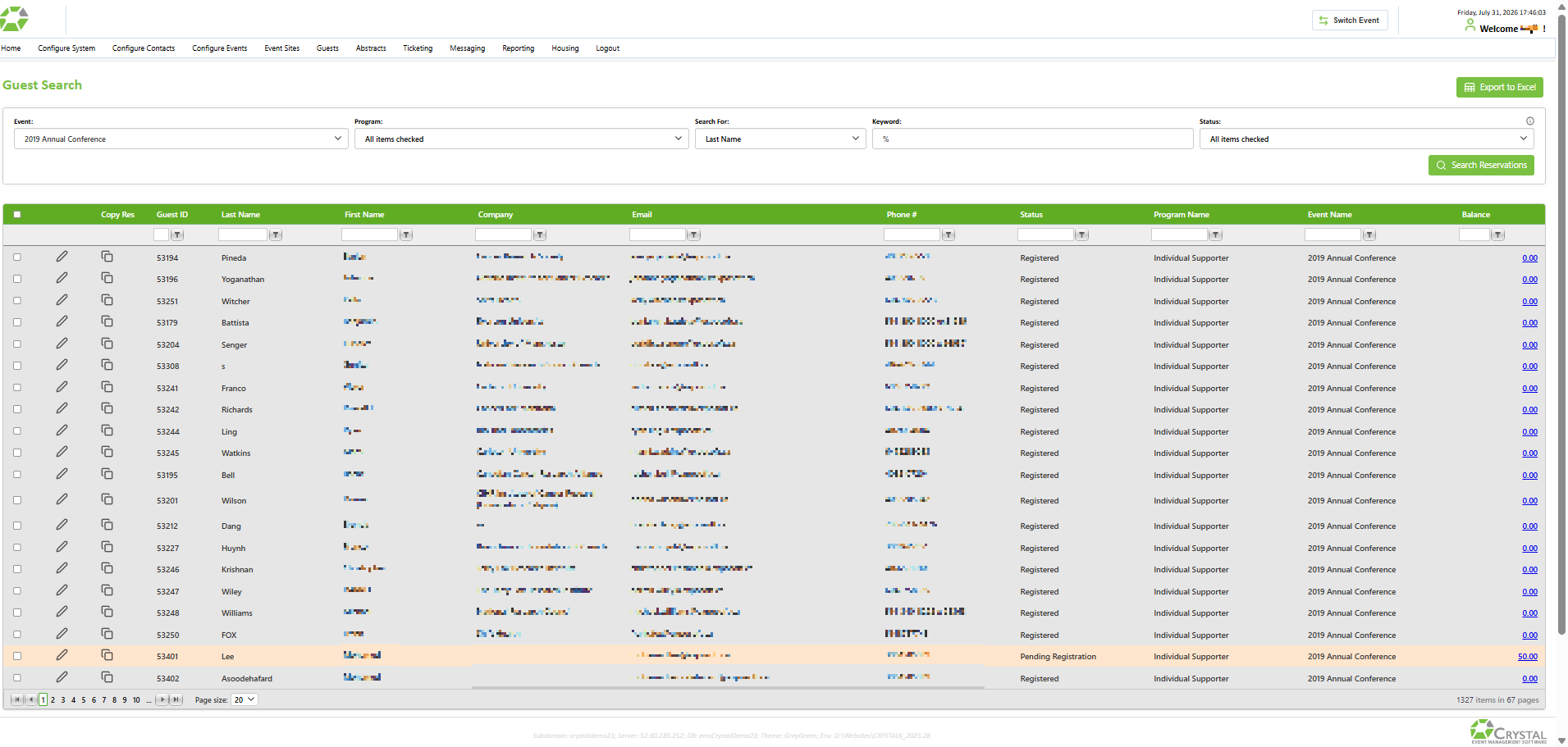
- Event configuration dashboard where organisers build their registration flow, set up attendee categories, and manage capacity by session
- Custom badge designer with drag-and-drop layout tools, variable field binding, and direct integration with Zebra and Brady label printers
- Onsite check-in app (web + iOS) using QR code scanning and name search, optimized for sub-2-second throughput at peak entry periods
- Offline-first architecture with local data sync, so check-in continues even when venue WiFi is unreliable
- Real-time reporting dashboard showing attendance, session capacity, and check-in velocity as the event runs
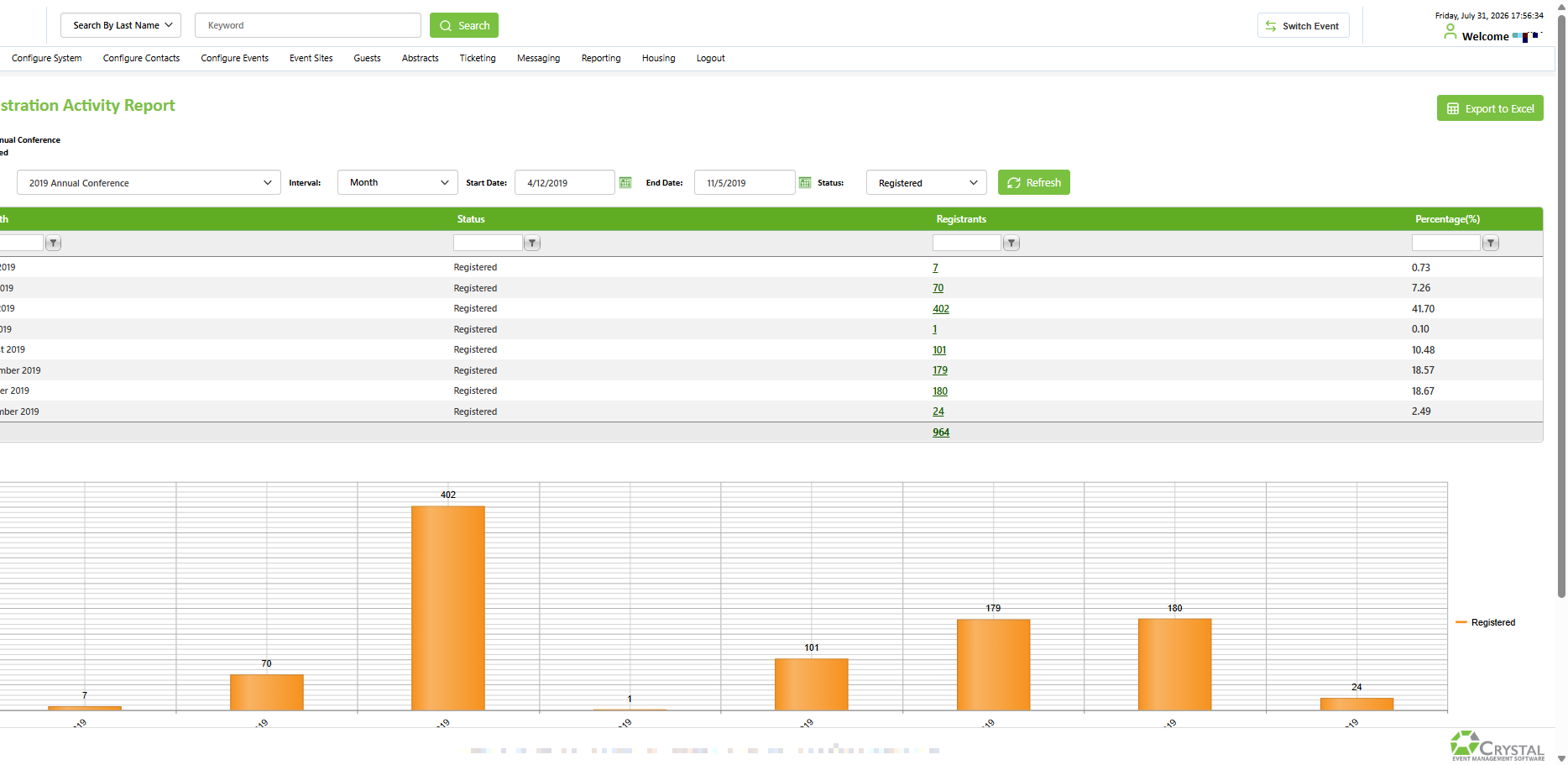
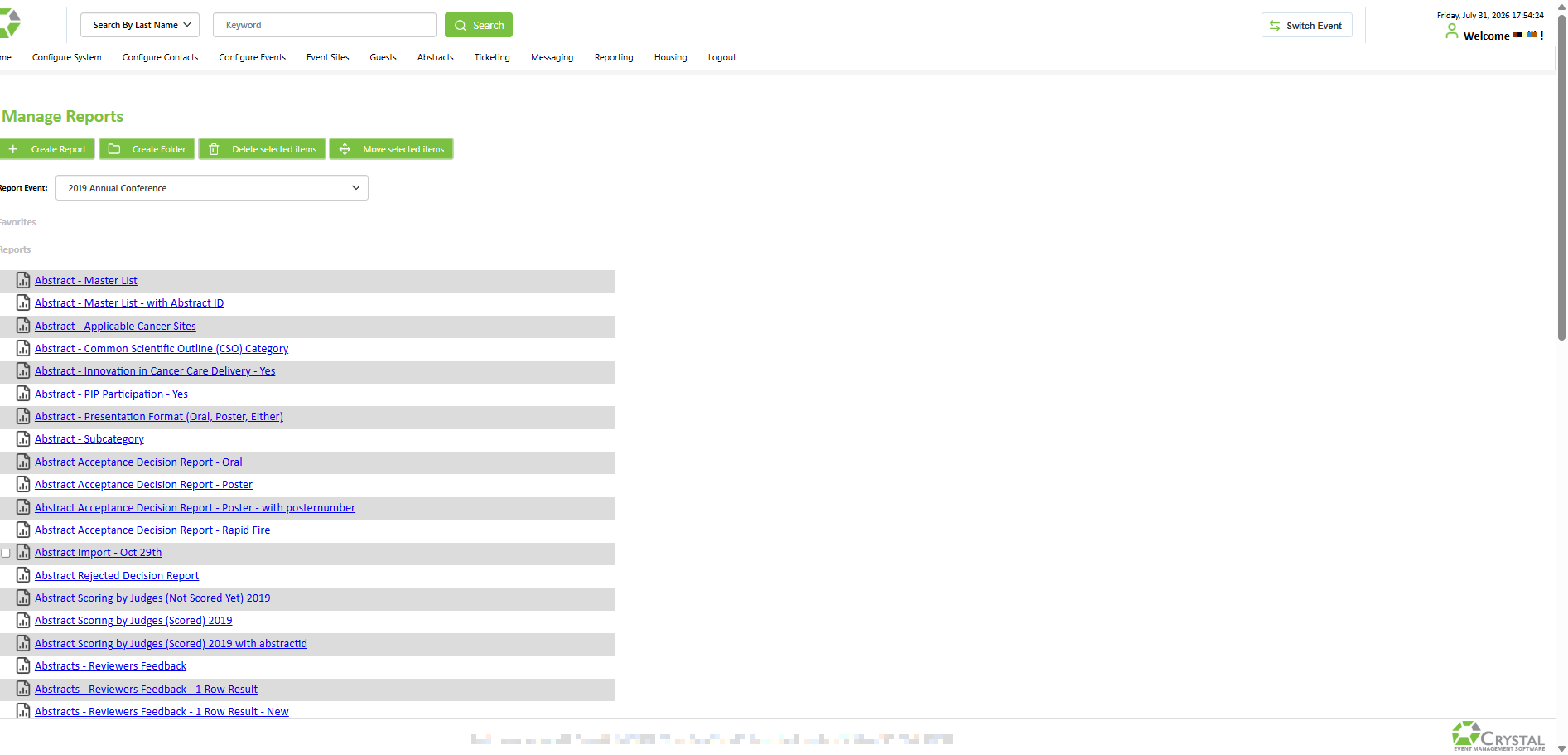
- Post-event reporting with export to CSV, Excel, and CRM-ready formats
The Outcome
Crystal has been used across events ranging from 200 to 35,000 attendees. The platform has processed over 900,000 individual attendee check-ins with 99.95% uptime across all events.
Average check-in time dropped to under two seconds per attendee when using QR scanning - a significant improvement over the manual lookup and wristband systems it replaced. The offline-first architecture proved its value at two outdoor events where venue connectivity failed entirely.